Product Description
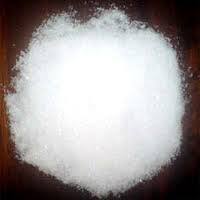
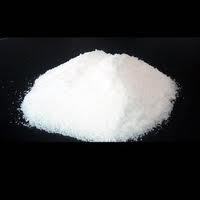
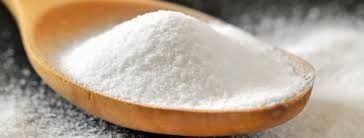
With the excellent support from our talented employees, we are emerging as the trusted manufacturers of Magnesium Sulphate. It is an inorganic compound which is used as a drying agent in its anhydrous form. This salt is commonly used in medical industry for preparation of tablets, capsules, and syrups. It can also be utilized as a laxative to get relief from occasional constipation. Magnesium Sulphate is white powdery solid in its anhydrous form and crystalline in heptahydrate which is also known as epsomite.
Features:
- High melting point of 1,124 degree Celsius in anhydrous form
- Also used as a brewing salt in beer production
- Soluble in water
Product details
|
Purity
|
98%
|
|
Grade
|
Technical Grade
|
|
Usage/Application
|
Industrial
|
|
Molecular Weight
|
120.36
|
|
Melting Point
|
1,124 DegreeC
|
|
Molecular Formula
|
MgSO4
|
|
CAS No.
|
7487-88-9
|
|
Boiling Point
|
330.00 Degree C
|
|
Physical State
|
Granules
|
Key Features of Magnesium SulphateMagnesium Sulphate with a purity of at least 99% comes as a white, crystalline solid, available in both powder and granular forms. It is highly soluble in water, incorporates minimal moisture (<0.5%), and is odorless and non-poisonous. The product meets multiple grade standards such as agriculture, industrial, and pharmaceutical grades, ensuring versatility across diverse industries.
Safe Storage & PackagingTo preserve quality, Magnesium Sulphate should be stored in a cool, dry, well-ventilated environment away from moisture. It is offered in robust 25 kg and 50 kg HDPE bags with an inner liner, ensuring long-term shelf stability for up to two years. Proper storage and packaging prevent contamination and maintain effective potency.
Diverse ApplicationsThis compound serves numerous industries: in agriculture, it acts as a magnesium-rich fertilizer; in pharmaceuticals and food, it is used as an additive; while in industrial and water treatment sectors, it functions efficiently due to its high purity and solubility profiles. Its non-toxic, odorless qualities make it suitable for a range of sensitive applications.
FAQs of Magnesium Sulphate:
Q: What is the primary benefit of using Magnesium Sulphate in agriculture?
A: Magnesium Sulphate provides essential magnesium and sulfur nutrients, crucial for plant photosynthesis and growth. Its high solubility ensures rapid absorption, aiding in correcting magnesium deficiencies and improving crop yield and vigor.
Q: How should Magnesium Sulphate be properly stored to maintain quality?
A: Store Magnesium Sulphate in a cool, dry, and well-ventilated place, protected from moisture. Utilizing the supplied HDPE bags with inner liners helps prevent moisture ingress and preserves product integrity for up to two years.
Q: What are the common industrial and pharmaceutical uses of Magnesium Sulphate?
A: In industry, Magnesium Sulphate is used for water treatment, textile processing, and as a coagulant. Pharmaceutically, it is employed as a saline laxative, electrolyte replenisher, and in clinical settings for its therapeutic effects.
Q: Where is this Magnesium Sulphate manufactured and exported from?
A: This product is manufactured, supplied, and exported from India, meeting strict quality standards for various international markets and applications.
Q: How is Magnesium Sulphate typically applied in water treatment processes?
A: Due to its high solubility, Magnesium Sulphate is dosed directly into water systems where it acts to adjust mineral content, soften water, and support precipitation reactions required for purification.
Q: What is the recommended process for dissolving Magnesium Sulphate in water?
A: To dissolve, gradually add Magnesium Sulphate to water at room temperature (preferred 2025C), stirring continuously. It dissolves efficiently, with 1 g dissolving in just 1.5 ml of water.
Q: Is Magnesium Sulphate safe and does it have any odor or toxicity concerns?
A: Magnesium Sulphate is odorless and non-poisonous, making it safe for use in agriculture, industry, and pharmaceuticals when handled and stored according to standard practices.










 Send Inquiry
 Send Inquiry
 Send SMS