Product Description
|
Cyclohexane is used as a solvent for resin, paint and varnish and for extraction of essential oils. |
|
|
Specifications |
|
|
| Purity |
99% (by wt) Min. |
| Methyl Cyclopentane |
0.2% (by wt.) Max. |
| Methyl Cyclohexane |
0.2% (by wt.) Max. |
| Benzene |
0.02% (by wt.) Max. |
| Low Boiling Products |
0.5-0.8% (by wt.) Max. |
| Water |
0.05 % (by wt.) Max. |
|
|
|
|
Packing
|
|
|
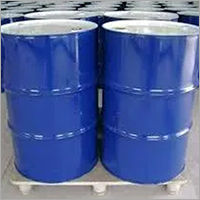
Sold in customers mild steel drums of capacity of 200 ltrs/160 kg. provided by customers mild steel road tankers |
Versatile Industrial and Laboratory ApplicationsCyclohexane is widely valued for its role as a solvent and chemical intermediate, particularly within industrial and laboratory environments. Its high purity makes it suitable for synthesizing important compounds such as nylon, and for use in organic reaction processes. The liquid is commonly adopted by manufacturers, laboratories, and research facilities for its reliability and utility in diverse applications.
Safe Handling and Storage GuidelinesOwing to its flammable nature and vapor hazards, cyclohexane must be stored in cool, well-ventilated spaces, away from heat, sparks, or open flames. Containers should be properly sealed and labeled in accordance with hazardous chemical transport regulations to safeguard workplace safety. Utilize appropriate personal protective equipment during handling to prevent exposure and ensure safe use.
Environmental Responsibility and Regulatory ComplianceAs cyclohexane is toxic to aquatic life, prevent any accidental release into the environment. All handling, packaging, and transportation must comply with chemical safety and environmental regulations to minimize risks. By adhering to these standards and using correct containment measures, users help protect the environment while meeting legal requirements.
FAQs of Cyclo hexane:
Q: How should cyclohexane be handled and stored safely?
A: Cyclohexane must be handled in a well-ventilated area using proper personal protective equipment. Store it in tightly closed containers away from heat or ignition sources, ideally in a cool, well-ventilated storage space. Avoid exposure to open flames and static discharge.
Q: What are the main industrial uses of cyclohexane?
A: Cyclohexane serves primarily as a solvent, a chemical intermediate for manufacturing nylon (through adipic acid and caprolactam synthesis), and a laboratory reagent. Its versatility makes it essential in organic syntheses and various industrial processes.
Q: When is cyclohexane preferred as a solvent?
A: Cyclohexane is favored when a nonpolar, water-insoluble solvent is neededespecially for dissolving oils, fats, and in processes demanding high chemical purity. Its use is prevalent in laboratories and large-scale industrial syntheses.
Q: Where does cyclohexane originate from and how is it produced?
A: Commercial cyclohexane is derived from petroleum refining or by catalytic hydrogenation of benzene. India is among the key exporters, manufacturers, and suppliers of this compound globally.
Q: What precautions are necessary during cyclohexane transportation?
A: As a flammable liquid classified under UN Number 1145, cyclohexane must be transported as a hazardous chemical, packaged in approved drums, IBCs, or bulk containers, with proper labeling to comply with regulatory standards.
Q: What benefit does cyclohexane provide in industrial processes?
A: Cyclohexane offers high chemical purity, stability under normal conditions, and excellent solvency for various organic compounds, enabling more efficient manufacturing of nylon and other valuable chemicals.
Q: How can risks to the environment be mitigated when using cyclohexane?
A: Prevent entry of cyclohexane into waterways as it is toxic to aquatic life. Follow all environmental protection guidelines, use proper containment during storage and use, and comply with disposal regulations to minimize impact.









 Send Inquiry
 Send Inquiry
 Send SMS